Calendula in Skincare: Benefits, Best Products & Who Should Use It

Walk into any Korean beauty store and you’ll see calendula everywhere—toners, creams, masks, and serums all featuring those distinctive orange-yellow flowers. But is calendula just another trendy botanical ingredient, or does it actually deliver results?
After diving into the research and testing calendula products for weeks, here’s everything you need to know about this ancient healing flower and whether it deserves a place in your skincare routine.
What Is Calendula?
Calendula officinalis, commonly known as pot marigold, is a bright orange-yellow flower that’s been used medicinally for centuries. Don’t confuse it with regular marigolds—calendula is a specific species with documented healing properties.
Historical use:
- Ancient Romans used it for wound healing
- Medieval Europeans applied it to cuts and inflammation
- Traditional medicine systems worldwide recognized its therapeutic value
Modern skincare: Today, calendula extract, oil, and infusions are incorporated into skincare products for their anti-inflammatory, antimicrobial, and healing properties.

The Science: What Research Says About Calendula
Let’s cut through the marketing hype and look at what studies actually show.
Anti-Inflammatory Properties
Multiple studies confirm calendula’s ability to reduce inflammation. The flower contains flavonoids and triterpenoids that actively calm irritated skin and reduce redness.
What this means for you: If you struggle with redness, sensitivity, or inflammatory acne, calendula can help calm your skin without harsh chemicals.
Wound Healing Acceleration
Research shows calendula can speed up wound healing by promoting collagen synthesis and increasing blood flow to affected areas. One study found calendula extract significantly accelerated wound closure compared to control groups.
What this means for you: Post-acne marks, minor cuts, and skin damage may heal faster with calendula products.
Antimicrobial Activity
Calendula has demonstrated antibacterial and antifungal properties in laboratory studies. It’s particularly effective against certain acne-causing bacteria.
What this means for you: This makes calendula useful in preventing bacterial growth that leads to breakouts.
Antioxidant Protection
The flavonoids in calendula act as antioxidants, protecting skin from free radical damage and environmental stressors.
What this means for you: Protection against premature aging and environmental damage like pollution.
Hydration Support
Calendula helps maintain the skin’s moisture barrier by supporting lipid production in the stratum corneum (outer skin layer).
What this means for you: Better moisture retention and less transepidermal water loss.
Calendula Benefits for Your Skin
Based on the research and real-world use, here’s what calendula actually does:
- Soothes Irritation and Redness
Best for:
- Sensitive skin
- Rosacea-prone skin
- Post-procedure skin (after peels, laser, etc.)
- Sunburn relief
- Eczema and dermatitis
How it works: The anti-inflammatory compounds calm reactive skin and reduce visible redness.

- Heals Acne and Blemishes
Best for:
- Inflammatory acne
- Post-acne healing
- Preventing infection in broken skin
- Reducing acne-related redness
How it works: Antimicrobial properties fight bacteria while anti-inflammatory action reduces swelling and speeds healing.
- Gentle Enough for Sensitive Skin
Best for:
- Reactive skin
- People who can’t tolerate strong actives
- Those with compromised skin barriers
- Atopic dermatitis sufferers
How it works: Calendula is naturally gentle and rarely causes irritation, making it ideal for sensitive skin types.
- Supports Barrier Function
Best for:
- Dehydrated skin
- Damaged moisture barriers
- Dry, flaky skin
- Winter skincare
How it works: Helps skin retain moisture and protects against environmental damage.
- Anti-Aging Support
Best for:
- Mature skin
- Prevention-focused routines
- Environmental protection
How it works: Antioxidant properties protect against free radical damage that causes premature aging.
| Category | Who It’s For |
|---|---|
| ✓ Perfect For |
✓ Sensitive skin that can’t tolerate strong actives ✓ Acne-prone skin needing gentle antimicrobial support ✓ Rosacea-prone skin needing calming ingredients ✓ Post-procedure skin needing gentle healing support ✓ Dry skin needing barrier repair ✓ People avoiding harsh chemicals and preferring natural alternatives ✓ Anyone dealing with inflammation or redness |
| ✗ Might Not Be Necessary For |
✗ Very oily, resilient skin that tolerates strong actives well ✗ People allergic to the Asteraceae/Compositae plant family (ragweed, daisies, chrysanthemums) ✗ Anyone looking for fast, dramatic results instead of gentle, gradual improvement |
Forms of Calendula in Skincare
Calendula appears in products in several forms:
- Calendula Extract
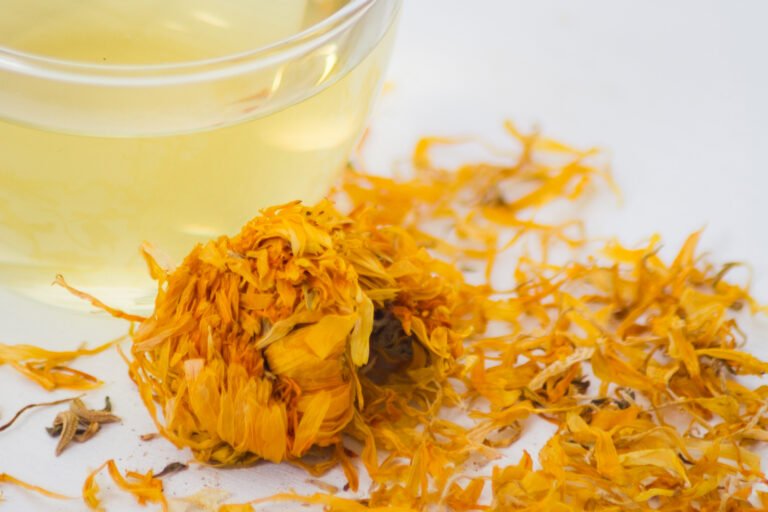
What it is: Active compounds extracted from calendula flowers Found in: Toners, serums, creams Potency: Medium to high Best for: Targeted treatment
- Calendula Oil
What it is: Flowers infused in carrier oil (usually olive or sunflower) Found in: Face oils, balms, rich creams Potency: Medium Best for: Dry skin, barrier repair
- Calendula Infusion
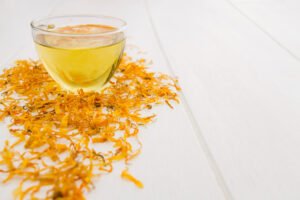
What it is: Flowers steeped in water Found in: Toners, mists, essences Potency: Lower Best for: Daily use, sensitive skin

- Calendula Petals
What it is: Actual dried flower petals in product Found in: Peel-off masks, sheet masks Potency: Variable (mostly aesthetic) Best for: Visual appeal, some benefit from direct contact
Peel-Off Masks
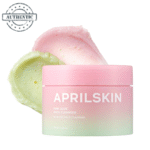
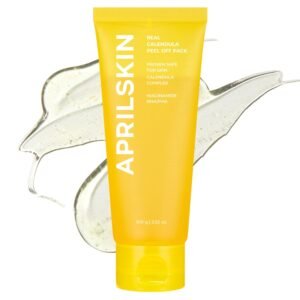
APRILSKIN Peel Off Mask Calendula Flower-Infused
What makes it special:
- Contains actual calendula petals visible in the formula
- Combines peel-off action with calendula’s soothing properties
- Helps with pore appearance and gentle exfoliation
- Infused formulation means maximum contact with skin
Best for: Weekly treatment to calm and clarify skin
How to use
- Apply to clean, dry skin
- Wait 20-30 minutes until completely dry
- Peel off gently from edges
- Follow with toner and moisturizer
Price: $16.99 (on sale from $25.99)
Toners and Essences
Look for products where calendula is in the top 5 ingredients for maximum benefit.
What to look for:
- Calendula extract or infusion high on ingredient list
- Alcohol-free formulations (to maintain soothing properties)
- Complementary calming ingredients like centella or aloe
Creams and Moisturizers
Calendula in moisturizers provides ongoing protection and healing throughout the day.
What to look for:
- Calendula combined with hydrating ingredients
- Non-comedogenic formulations
- Fragrance-free options for sensitive skin
Spot Treatments
Concentrated calendula products for targeted acne treatment.
What to look for:
- Higher concentrations of calendula extract
- Combined with other acne-fighting ingredients like IPMP
- Lightweight formulas that won’t clog pores
How to Incorporate Calendula Into Your Routine
For Acne-Prone Skin
Morning:
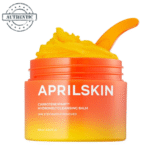
- [APRILSKIN Carrotene IPMP Cleansing Balm] (contains anti-acne IPMP)
- Calendula toner
- Treatment serum (niacinamide or hyaluronic acid)
- Lightweight moisturizer
- [Sunscreen SPF50]
Evening:
- Double cleanse
- Calendula toner
- [APRILSKIN Calendula Peel-Off Mask] (2-3x per week)
- Treatment serum
- Calendula-infused moisturizer
For Sensitive/Rosacea-Prone Skin
Morning:
- Gentle cleanser
- Calendula essence
- Soothing serum (centella or calendula)
- Calendula cream
- Gentle sunscreen
Evening:
- Oil cleanse
- Gentle second cleanser
- Calendula toner
- Calendula serum or oil
- Rich calendula cream
For Dry/Dehydrated Skin
Morning:
- Gentle cleanser
- Hydrating toner
- Calendula essence
- Hyaluronic acid serum
- Calendula-rich moisturizer
- Sunscreen
Evening:
- Double cleanse
- Hydrating toner
- Calendula essence
- Treatment serum
- Calendula cream
- Face oil with calendula (as needed)
Combining Calendula with Other Ingredients
Calendula plays well with most ingredients. Here are winning combinations:
Calendula + Centella Asiatica
Benefits: Double the soothing power Best for: Very sensitive skin, rosacea, post-procedure
Calendula + Hyaluronic Acid
Benefits: Hydration + barrier support Best for: Dry, dehydrated skin
Calendula + Niacinamide
Benefits: Calming + brightening Best for: Acne-prone skin with hyperpigmentation
Calendula + IPMP
Benefits: Soothing + anti-bacterial Best for: Inflammatory acne Example: [APRILSKIN Carrotene IPMP Cleansing Balm]
Calendula + Vitamin C
Benefits: Antioxidant boost Best for: Anti-aging, brightening
What to Avoid When Using Calendula
Don’t Combine With:
⚠ Strong actives if you have very sensitive skin: While calendula itself is gentle, layering it with strong retinoids or acids might be too much for reactive skin
⚠ Products you’re allergic to: Always patch test if you have plant allergies
Be Cautious If:
⚠ You’re allergic to the Asteraceae family: This includes ragweed, chrysanthemums, marigolds, and daisies. If you react to these, calendula might also cause issues.
⚠ You’re pregnant or breastfeeding: While topical calendula is generally considered safe, consult your healthcare provider.
Lorem ipsum dolor sit amet, consectetur adipiscing elit. Ut elit tellus, luctus nec ullamcorper mattis, pulvinar dapibus leo.
Realistic Expectations: What Calendula Can and Can’t Do
Calendula CAN:
✓ Reduce redness and inflammation ✓ Speed up healing of minor wounds and acne ✓ Soothe irritated skin ✓ Support your skin’s moisture barrier ✓ Provide antioxidant protection ✓ Gently fight acne-causing bacteria
Calendula CANNOT:
✗ Eliminate severe cystic acne on its own ✗ Remove deep wrinkles ✗ Dramatically fade dark spots quickly ✗ Replace medical treatments for serious skin conditions ✗ Work overnight (results take 2-4 weeks)
Bottom line: Calendula is a supportive, healing ingredient—not a miracle cure. Set realistic expectations.
How Long Until You See Results?
Based on ingredient research and user experiences:
Week 1-2: Reduction in active inflammation and redness Week 3-4: Faster healing of blemishes, improved skin comfort Week 4-8: Better overall skin tone, strengthened barrier function 2-3 months: Cumulative benefits become most apparent
Key: Consistency matters more than intensity with calendula.
Is Calendula Worth the Hype?
My honest verdict: Yes, but with context.
Calendula isn’t a trendy ingredient that’ll disappear next year—it has centuries of use and solid research backing it. However, it works best as a supporting player, not a solo star.
Choose calendula if:
- You want gentle, natural healing support
- You have sensitive or reactive skin
- You’re dealing with inflammation or redness
- You want barrier-supporting ingredients
Skip calendula if:
- You need aggressive acne treatment
- You want dramatic, fast results
- You’re allergic to related plants
- Your skin is already calm and problem-free
The Best Way to Try Calendula
Start with a single product rather than overhauling your entire routine:
Best first product: [APRILSKIN Peel Off Mask Calendula Flower-Infused]
Why this one:
- Weekly use, not daily commitment
- Visible results after one use
- Affordable entry point ($16.99)
- See if your skin responds well to calendula before investing in more products
If you love it, add a calendula toner or essence next.
Final Thoughts
Calendula deserves its place in K-beauty and skincare in general. It’s not overhyped—it’s genuinely beneficial for the right skin types and concerns.
Is it essential? No. Will everyone see dramatic results? Also no.
But if you struggle with sensitivity, redness, or inflammatory acne, calendula products can be the gentle, effective support your skin needs.
Ready to try calendula? Shop APRILSKIN Calendula Peel-Off Mask and see if this centuries-old ingredient works for your modern skincare concerns.
Related reading:
- APRILSKIN Carrotene Cleansing Balm Review (features calendula’s cousin ingredient, beta-carotene)
- Korean Skincare Routine Order (where to slot in your calendula products)